
Choosing the right fence for your property in South Carolina is more than a matter of boundary marking—it’s about privacy, security, and enhancing your home’s curb appeal. Wood fences remain one of the most popular choices due to their versatility, aesthetic appeal, and adaptability to various styles.
In this guide, we’ll explore wood privacy fence styles SC?, helping homeowners choose a fence that balances style and function.
Understanding Wood Fencing
Wood fencing offers natural beauty, durability, and the flexibility to match architectural and landscape designs. Unlike aluminum fence panels black or chain link fences Lancaster, wood provides warmth, style, and privacy. While black aluminum fence around pool and metal options are low maintenance, wood delivers unmatched aesthetic charm.
Popular wood types include cedar, pine, and redwood, each with advantages in terms of cost, durability, and resistance to insects and rot. Choosing the right wood is key to ensuring a long-lasting fence suitable for the humid and hot SC climate.
Popular Wood Privacy Fence Styles
Wood privacy fences offer both security and style, with designs suited to different needs. Popular styles include ranch rail fencing for open rural spaces, board-on-board for full privacy, picket privacy for classic charm, shadowbox for semi-privacy with airflow, and solid panel fences for maximum seclusion. Each style enhances outdoor aesthetics while providing protection and functionality.
1. Ranch Rail Fencing
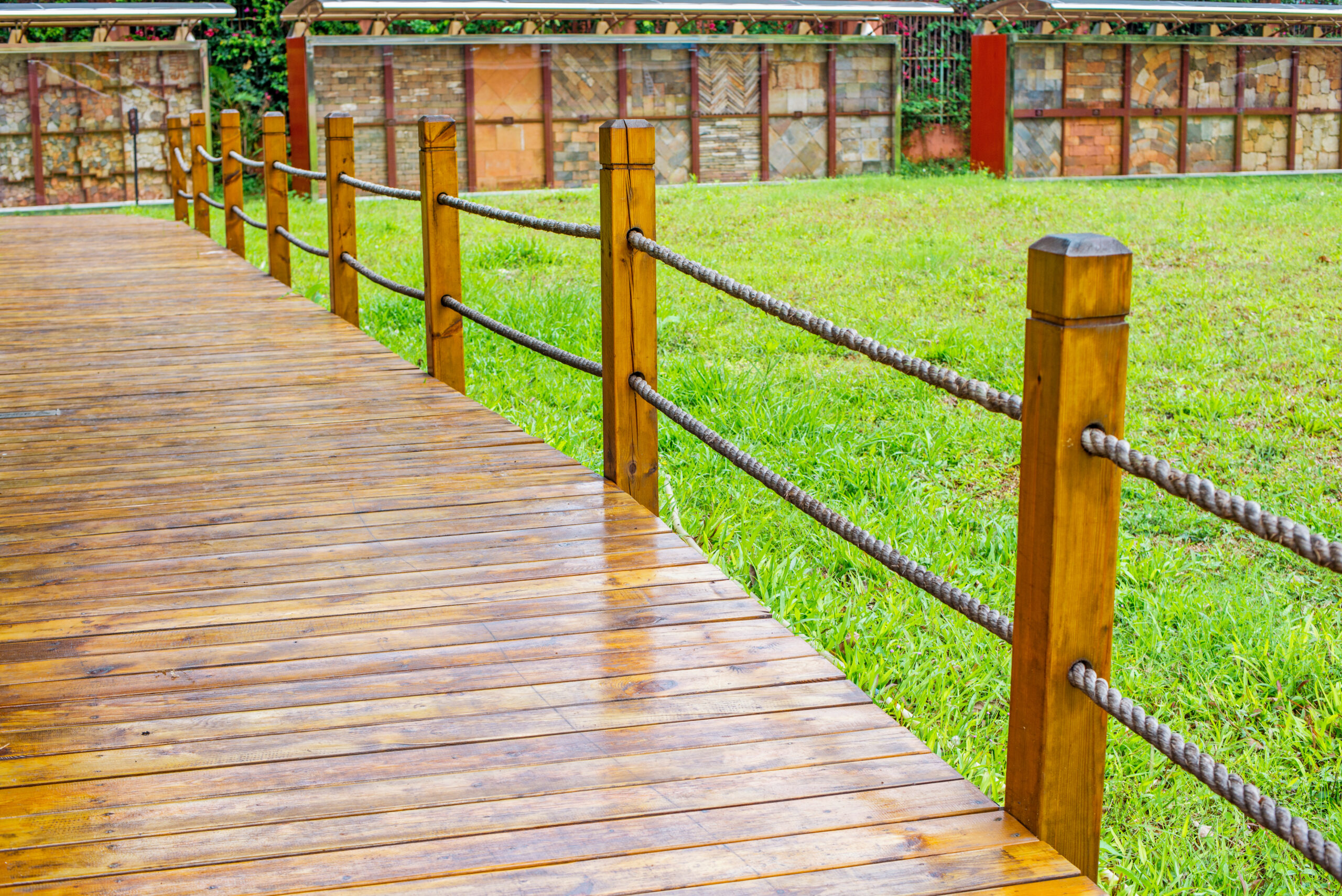
Ranch rail fencing is ideal for large properties, farms, or rural homes. This style features horizontal rails with ample spacing for a visually open, yet defined boundary. It provides a classic country look and can be enhanced with ranch rail fencing caps or posts for additional style.
- Pros: Low maintenance, open sightlines, durable.
- Best for: Large yards, rural areas, properties with horses or livestock.
2. Board-on-Board Fencing
Board-on-board fencing provides excellent privacy with staggered boards that block sightlines while allowing airflow. It’s ideal for residential yards where homeowners want a privacy fence that also reduces noise from neighbors.
- Pros: Complete privacy, sturdy design, attractive finish.
- Best for: Backyard privacy, pool enclosures, urban homes.
3. Picket Privacy Fencing
The classic picket fence has evolved into modern picket privacy options that combine charm with security. Spaced pickets or taller designs offer privacy while keeping the decorative look of traditional picket fencing.
- Pros: Timeless design, customizable paint/stain colors, functional.
- Best for: Front yards, gardens, areas requiring moderate privacy.
4. Shadowbox or Semi-Privacy Fencing
Shadowbox fencing alternates boards on each side of the fence rail, providing semi-privacy while allowing airflow. It’s perfect for yards and pool areas, creating a stylish, layered effect.
- Pros: Airflow, visual interest, privacy for neighbors.
- Best for: Residential yards with shared property lines.
5. Solid Panel Fencing
For maximum privacy and security, solid panel fencing is the go-to option. Full panels create a wall-like effect and can be enhanced with decorative tops or latticework for additional style.
- Pros: Maximum privacy, noise reduction, high security.
- Best for: Pools, urban backyards, areas requiring full visual barriers.
Choosing the Right Wood Type
Selecting the right wood is critical for durability in South Carolina’s climate.
- Cedar vs pine:
- Cedar is naturally resistant to insects and rot, has a long lifespan, and requires minimal maintenance.
- Pine is more affordable but may require regular treatment and sealing to prevent decay.
Both options are suitable for SC, but the choice depends on budget, desired appearance, and long-term maintenance preferences.
Maintenance Tips for Wood Fences
Maintaining wood fences ensures longevity and keeps them looking attractive. Key tips include:
- Staining or sealing every 2–3 years to protect against moisture.
- Cleaning with mild soap and water to prevent mold and mildew.
- Inspecting for loose boards or damage and repairing promptly.
- Regular upkeep is particularly important in humid areas of SC to extend the fence’s life.
Style Ideas for Fence SC
- Combine styles, such as a ranch rail fencing section with board-on-board for privacy in backyards.
- Use decorative post caps or lattice panels for visual interest.
- Match fence finishes with balcony wooden fence or outdoor decks for cohesive outdoor design.
- Landscaping with shrubs or vines enhances privacy and complements wood fence aesthetics.
Professional Installation Considerations
While DIY installation is possible, professional wood fence construction ensures correct post setting, level panels, and long-term stability. Experienced installers can navigate terrain challenges and guarantee a sturdy, attractive fence.
Comparing installation options with chain link fencing contractors, wood provides a more aesthetically pleasing and private solution.
Benefits of Wood Fencing
- Durability: Lasts 15–30 years with proper care.
- Privacy: Offers complete visual barriers.
- Versatility: Adapts to multiple design styles and landscape aesthetics.
- Value: Enhances curb appeal and can increase property value.
- Customization: Paint, stain, or decorative elements can personalize the fence.
Conclusion
Wood fences are an excellent choice for South Carolina homeowners seeking privacy, style, and long-term value. Considering wood privacy fence styles SC?, homeowners can select from ranch rail, board-on-board, picket privacy, shadowbox, or solid panel options to match their property’s needs.
With the right wood type, proper maintenance, and professional fence installation, your wood fence can enhance security, provide privacy, and elevate the overall appearance of your home.
Frequently Asked Questions (FAQs)
How long do wood fences last in SC climate?
With proper maintenance, wood fences can last 15–30 years, depending on wood type and exposure to elements.
Which wood is best for privacy fencing in SC?
Cedar is preferred for its natural resistance to insects and rot, while pine is more budget-friendly but requires treatment.
Can I combine styles like ranch rail with board-on-board?
Yes. Combining styles allows functional boundaries and aesthetic diversity, tailored to your property’s layout.
How often should I maintain or stain my wood fence?
Stain or seal every 2–3 years, and clean annually to protect against moisture, mold, and UV damage.
Are wood fences better than aluminum or chain link for privacy?
Yes. Wood offers maximum privacy and aesthetic appeal, while aluminum or chain link fencing provides security but less visual privacy.