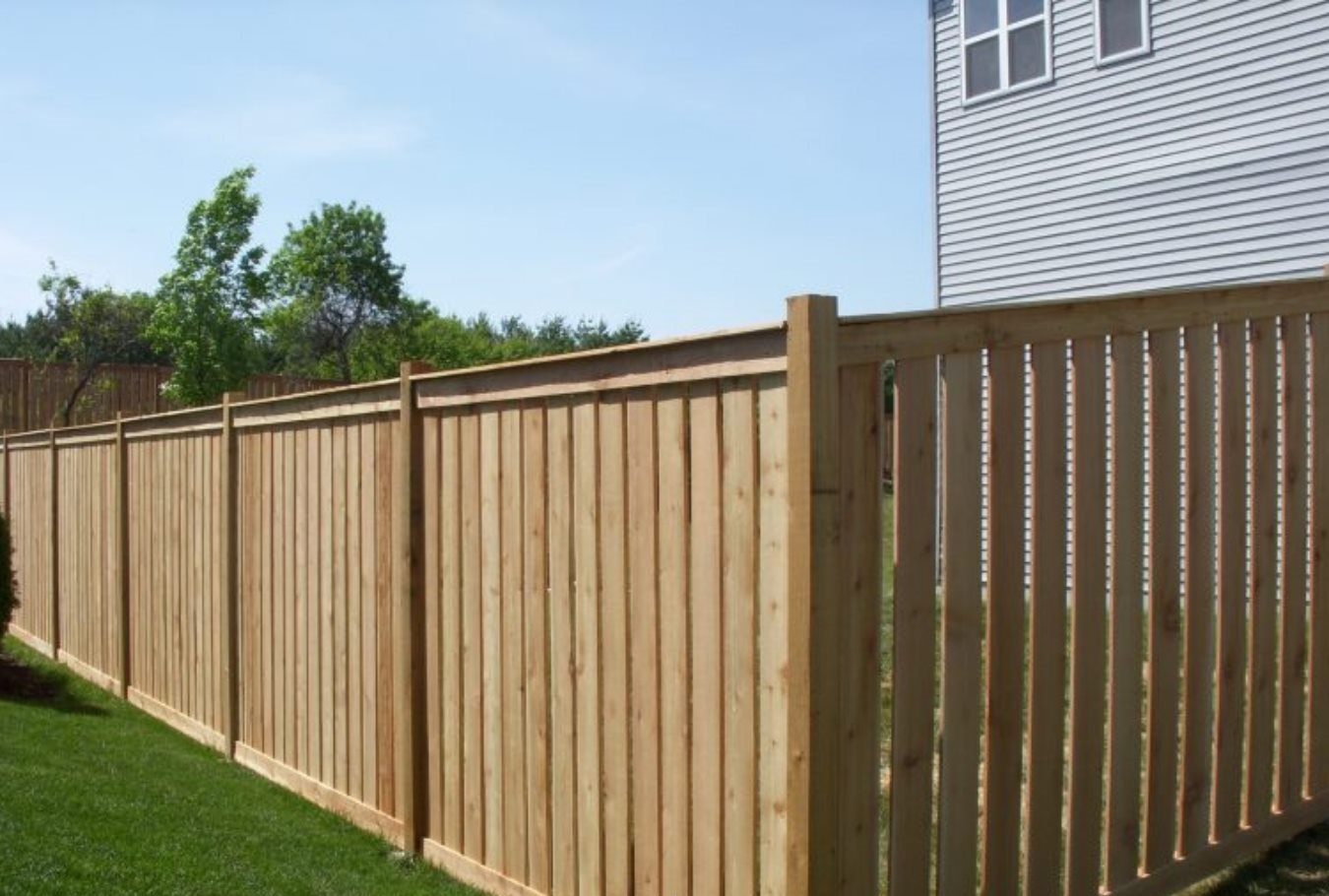
If you’re planning to install a new fence for your home or business in Indian Land, SC, a pressure-treated wood fence is one of the most practical and long-lasting options. It offers a natural look, strong protection against decay and termites, and can outlast most untreated wood fences.
In South Carolina’s humid climate, untreated wood often warps or rots over time. Pressure-treated lumber is specially infused with preservatives that help it resist moisture, insects, and fungus—keeping your fence sturdy and attractive for years.
Whether you want privacy for your backyard or a stylish way to define your property, this type of fence blends durability with timeless appeal.
Let’s look at everything you need to know before installing a pressure treated wood fence in Indian Land, SC.
Why Choose a Pressure-Treated Wood Fence
Pressure-treated lumber is infused under pressure with preservatives that help the wood resist rot, fungi, and insect damage. In the humid climate of South Carolina, this treatment ensures that your fence maintains its strength and beauty for decades.
Unlike untreated wood, a pressure-treated fence can handle frequent rainfall, hot summers, and termite exposure. It’s also more affordable than other long-lasting fencing materials such as vinyl or metal, while still offering the timeless warmth of real wood.
A well-built fence enhances both security and curb appeal. Whether you’re enclosing a large yard or defining property lines, this type of fence provides a perfect balance of function and aesthetics.
Key Concepts to Know
Before installing your fence, it’s helpful to understand a few important terms related to materials and care.
Pressure-treated lifespan
A properly maintained pressure-treated fence can last anywhere from 20 to 30 years. Some well-protected fences last even longer when regularly cleaned and resealed.
Wood fence maintenance
Routine cleaning, inspection, and reapplication of protective finishes every few years will keep your fence looking great and performing well.
Stain vs seal wood fence
A stain adds colour and UV protection, while a seal focuses on moisture control and preserves the natural look of the wood. You can use one or both, depending on your aesthetic goals.
Termite-resistant wood
Pressure-treated lumber is treated specifically to deter insects like termites that are common in the southern climate. While not completely pest-proof, it provides excellent resistance.
Wood fence costs
Pricing depends on factors like height, design, length, and installation complexity. Materials and labour are typically lower than for metal or composite fencing, making it an affordable long-term investment.
Planning Your Fence in Indian Land SC
- Check local regulations – Many neighbourhoods have rules on fence height, placement, and materials. Verify these before starting your project.
- Define your goal – Do you need privacy, decoration, or simply a sturdy boundary? A backyard wood fence for privacy might differ from one designed for pets or gardens.
- Choose quality lumber – Always use wood rated for ground contact for posts and lower rails. This helps prevent rot at the base.
- Hire professionals – Experienced wood fence contractors know how to handle local soil and weather conditions. Compare quotes and ask about their experience with pressure-treated wood.
- Set a realistic budget – Include not just material and labour but also permit fees and long-term care costs.
- Coordinate with other fencing styles – If your property already features black aluminium fence panels or a chain link construction fence, ensure your new fence complements them in colour and height.
Installation Best Practices
To ensure your fence lasts as long as possible, proper installation is key:
- Posts should extend at least one-third of their total length below ground level.
- Set posts in concrete or gravel with good drainage to prevent water pooling.
- Keep a slight gap between boards and soil to reduce moisture exposure.
- Use galvanized or stainless-steel screws and nails to avoid rust stains.
- Allow new wood to dry for several months before applying a stain or seal.
- Match your new fence to any existing features like a black aluminium pool fence for a consistent, polished look.
Fence Lifespan and Care
Even the best materials need upkeep. To keep your fence strong and attractive:
- Inspect annually for loose boards, cracked posts, or early signs of rot.
- Clean every one to three years using mild soap and a soft brush to remove dirt and mildew. Avoid high-pressure washers that can damage wood fibres.
- Reapply stain or seal every two to three years depending on sunlight and weather exposure.
- Trim vegetation so that plants don’t trap moisture against the fence.
- Repair promptly – fix damaged boards or posts before the problem spreads.
Following these maintenance steps helps extend your pressure-treated lifespan significantly.
Cost Considerations
The cost of a pressure-treated wood fence in Indian Land varies based on height, length, and style. On average, the total expense per linear foot can be less than half that of a decorative metal fence.
When comparing options, think about:
- Material grade and quality
- Fence height (4-, 6-, or 8-foot)
- Terrain and installation challenges
- Number of gates and accessories
- Long-term maintenance versus low-maintenance alternatives
Although a chain link fence company or an aluminium installer might quote lower prices initially, a wood fence provides superior privacy and warmth that blends naturally with landscaping.
Pros and Cons of Pressure-Treated Wood
Advantages
- High resistance to rot, decay, and insect attack
- Customisable appearance with stains and paints
- Affordable upfront cost compared to vinyl or aluminium
- Natural look that complements outdoor surroundings
Drawbacks
- Requires periodic maintenance and resealing
- Can warp or crack if not installed or treated properly
- Needs proper spacing from the ground to prevent moisture damage
Despite the few downsides, many homeowners still prefer pressure-treated fences for their beauty and adaptability.
Choosing Between Stain and Seal
When deciding whether to stain or seal, consider both appearance and durability.
A stain adds personality and protection from UV rays. It comes in a wide range of shades, from light cedar tones to darker walnut finishes, allowing you to coordinate with house trim or decking.
A seal, on the other hand, focuses on waterproofing. It keeps the natural grain visible and helps repel rainwater, preventing swelling and cracking.
In Indian Land’s hot, humid climate, many homeowners use a combination product that stains and seals simultaneously for convenience and stronger protection.
Integrating Multiple Fence Types
Some properties use more than one fencing style. For example, you may have a backyard wood fence for privacy but prefer black aluminium fence panels at the front for visibility and curb appeal. Or you might need a chain link construction fence temporarily during home renovations.
When mixing materials:
- Maintain consistent post spacing and height to ensure a smooth look.
- Match colours or finishes when possible.
- Hire contractor’s familiar with both wood and metal installations.
Blending styles can be an attractive and cost-effective way to define different zones of your property.
Conclusion
A pressure-treated wood fence remains one of the best choices for homeowners in Indian Land SC. It provides a natural, classic look while standing up to the area’s climate and pests. When maintained properly, it offers decades of reliable service.
By understanding materials, costs, and care routines, you can make informed decisions that save money and enhance your property’s appeal. Whether you prefer the charm of a backyard wood fence or want to coordinate with modern metal panels, this guide gives you the foundation to build a durable, attractive fence that lasts.
Frequently Asked Questions
How long will a pressure-treated fence last in Indian Land SC?
With proper maintenance, a pressure-treated fence can easily last 20 to 30 years. In well-drained areas and with regular sealing, the lifespan can exceed three decades.
Should I stain or seal immediately after installation?
No. Newly treated wood contains moisture and chemicals that need time to settle. Wait three to six months before applying stain or seal so the wood can dry properly.
What kind of upkeep does a wood fence require?
Inspect your fence each year for damage, clean it with mild detergent, and apply protective coatings every few years. Simple steps can greatly extend its life.
How much does a pressure-treated wood fence cost?
between basic chain link and premium metal fencing. Always get multiple quotes from local installers.
Can I mix wood with other fence types on my property?
Yes. Many homeowners combine wood with black aluminium pool fence sections or chain link borders. It adds versatility and helps you achieve both privacy and open visibility where needed.